In past blogs, we have introduced a lot of questions about the possible problems of wastewater and the treatment of wastewater. Today is my third blog, there are a lot of things that will make you excited:
With the large population of the world’s population, if the volume of usable water remains the same (obvious it’s not), this will obviously lead to the lack of clean water for humans, animals and plants. The situation is already serious. If the whole world, a country or a region does not have a reasonable water resource, the crisis will obviously become more terrible. (More wastewater problems had been identified in the past blog)
So, what can we do to protect the water and use them in a better way? Even if we have a solution. But how can we implement with it? How can we make people, industries, etc. use water effectively? Reduce consumption? Want to treat wastewater to a healthy and consumable level? So, this blog is about telling everyone about the relationship between regulatory framework and wastewater engineering.
Regulatory framework? To be honest I have no idea what is it before I do this vlog; A law? A standard to follow. A guide? Or may it be a constraint from social morality? There are many things that can be included in the regulatory framework, summarizing it in one sentence: “There is the necessary infrastructure to support the control, guidance or implementation of proposed or adopted actions, rules, principles or laws”.
In wastewater treatment, this may include a range of regulations such as emission standards, fines and incentives, wastewater facility design standards, minimization of wastewater use, social awareness and ethical regulatory awareness, and education on wastewater and water use. (Goc.net.au, 2019)
Effectively managing wastewater and making a complete set of usable frameworks is a daunting task. If the framework design is unreasonable, specific laws and policies will not be able to implement successfully, which will make the use of water resources worse. If the framework design fails to meet the expected requirements, water resources will be wasted or the treatment of wastewater can’t reach healthy point, so a reasonable supervision of framework will make water more reasonable. It may not be a concern to normal citizens, it’s hard to ask them to understand the full content and follow the rules. However, enforcement of laws, enforcement of emission standards and fines for violations had worked successful in the past years, or moral condemnation may be also an important role. Education and ethics of people who in developed countries may naturally meet the needs of the regulatory framework. However, in some developing countries, people’s understanding of wastewater discharge and treatment cannot meet the regulatory framework. Even if their understanding reaches a certain level, they will throw them away for the sake of profit, such as:
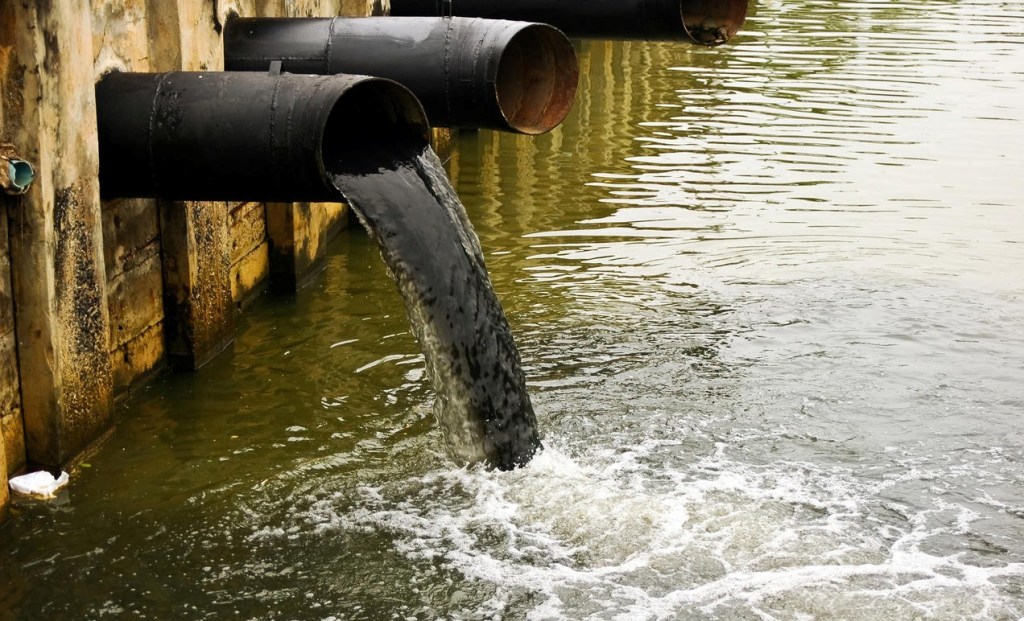
So in this case a complete regulatory framework and implemented with “powerful control” is particularly important. There are some basic elements that required to create a comprehensive wastewater regulatory framework. These include:
Legislation and supporting regulations
Reasonable standards and emission limitation
Guidelines and practices for wastewater treatment
One or more implementation and regulatory institution.
Regulatory conditions established based on actual conditions, rather than copying regulatory conditions in other regions, because the needs of each region and country are different, and regulatory framework should be improved as regional conditions improve. (Pubs.acs.org, 2019)
These frameworks are usually implemented by regulatory institutions. These institutions usually develop and coordinate policies, plans and standards related to the water and wastewater sector; and supervise and monitor water/wastewater treatment facilities. These regulators issue regulations into small groups (companies and personals).
As an independent citizen of the world, in fact, the management framework of water resources can exist for everyone, just like the plan we made for our own career, we can also make a self-frame for water resources. We all have a responsibility to contribute to effective water use.
I think it’s very important to apply the framework to water consumers. If we limit source consumption and pollution, it will be easier to achieve higher wastewater standards through wastewater treatment facilities. Therefore, if it can be used in homes and factories, and also has certain water quality standards, these standards can come from household and industrial sites as well as hospital and agricultural sources. These may result in reduced pollutants on site. A comprehensive ban on toxic pollutants such as herbicides and micro plastics should be strengthened. These measures can help us take a step towards achieving higher water quality. So what benefits does a successful and reasonable management framework bring to us? It can make conducive to the treatment of wastewater and it will save more energy, reduce cost of wastewater treatment; contribute to sustainable development goals.
Wait.
Just giving a regulatory framework is not enough. This framework needs to evolve as the times progress and needs to be implemented and regulated reasonably and effectively. If management fails to achieve the desired results, a timely improvement framework should be implemented. That is what we call Sustainable development, the framework is not only last for one or two month, it should be able to improve and renewable, give us a sustainable structure to hold the wastewater treatment process last for more time, funding, human resource and education must be include and have a plan to make it last for a long time.
As conclude, the regulatory framework is the foundation of wastewater engineering; without regulatory framework, the existing of wastewater engineering is meanness.wastewater engineering is like a gun, the shooter is the regulatory frameworks.
Reference:
Goc.net.au. (2019). Guidera O’Connor | Water Engineering – Water treatment framework. [online] Available at: https://goc.net.au/featured-projects/water-treatment-framework [Accessed 13 Sep. 2019].
Pubs.acs.org. (2019). A Changing Framework for Urban Water Systems. [online] Available at: https://pubs.acs.org/doi/10.1021/es4007096 [Accessed 13 Sep. 2019].
 Tuesday's sandwich